
Hawaii Busted Mugshot Records
A busted mugshot in Hawaiʻi begins as a police record tied to an arrest. The county police create the booking entry. Some entries include a photograph. Each agency decides what its public log displays and handles requests under state law, so the shape of the record varies by island.
There is no single statewide booking-photo roster. Honolulu, Hawaiʻi County, and Kauaʻi post dated arrest PDFs, each with different fields and time windows. Maui and Kalawao lean on direct records requests and selected notices instead. If the question is where someone is held now, the Department of Corrections and Rehabilitation covers custody, while the Judiciary records how the case ends. The right source depends on what you need to know: the arresting agency, current custody, or the court outcome.
A charge line is simply the label used at the booking stage. Later entries may change it, drop it, or replace it entirely.
Hawaii Booking Record Fields
No shared form exists across the islands. Honolulu's adult arrest PDFs carry one set of fields, Hawaiʻi County's 48-hour booking reports show a fuller trail of events and releases, and Kauaʻi's daily report gives a short chronology. Maui offers no public name-search booking form, and the records behind its Receiving Desk pages may hold more than those pages expose.
| Official record | Fields shown or limits |
|---|---|
| Honolulu adult arrest log | Name, age, sex, race, arrest date and time, arresting officer, offense, report number, and later release information where added. No photo or public name-search form. |
| Hawaiʻi County booking report | Name, gender, age, race, address, arrest and release times, officer, report number, OTN, charge code and description, bail set or posted, court code and date, release description and released-by field. No photo. |
| Kauaʻi daily arrest report | Arrestee name, residence city, arrest date and time, sex, age, charge, and release disposition. The sampled PDF did not show a booking number, bond amount, court date, or photo. |
| Maui and Kalawao | No verified public roster fields. Maui's records may include name, booking number and time, arresting agency, charge, release or custody information, court identifier, facility, and photo, subject to review. |
| DCR custody service | VINELink search routes include name, offender number, or case number. It reports custody or parole events, not a county booking card or public photo profile. |
Bail figures, release codes, and transfer entries help explain what happened after booking. They settle nothing in court. Honolulu's log may lack a booking number, bond amount, or court date. Hawaiʻi County warns that entries can repeat within the 48-hour window. Kauaʻi release codes point to release, court processing, or a transfer.
These limits matter when names look alike. Match on date, report number, location, and whatever else the agency publishes. A missing photo means no photo was posted. A posted photo shows one moment in a booking. It shows nothing more.
When Hawaii Busted Mugshots Are Public
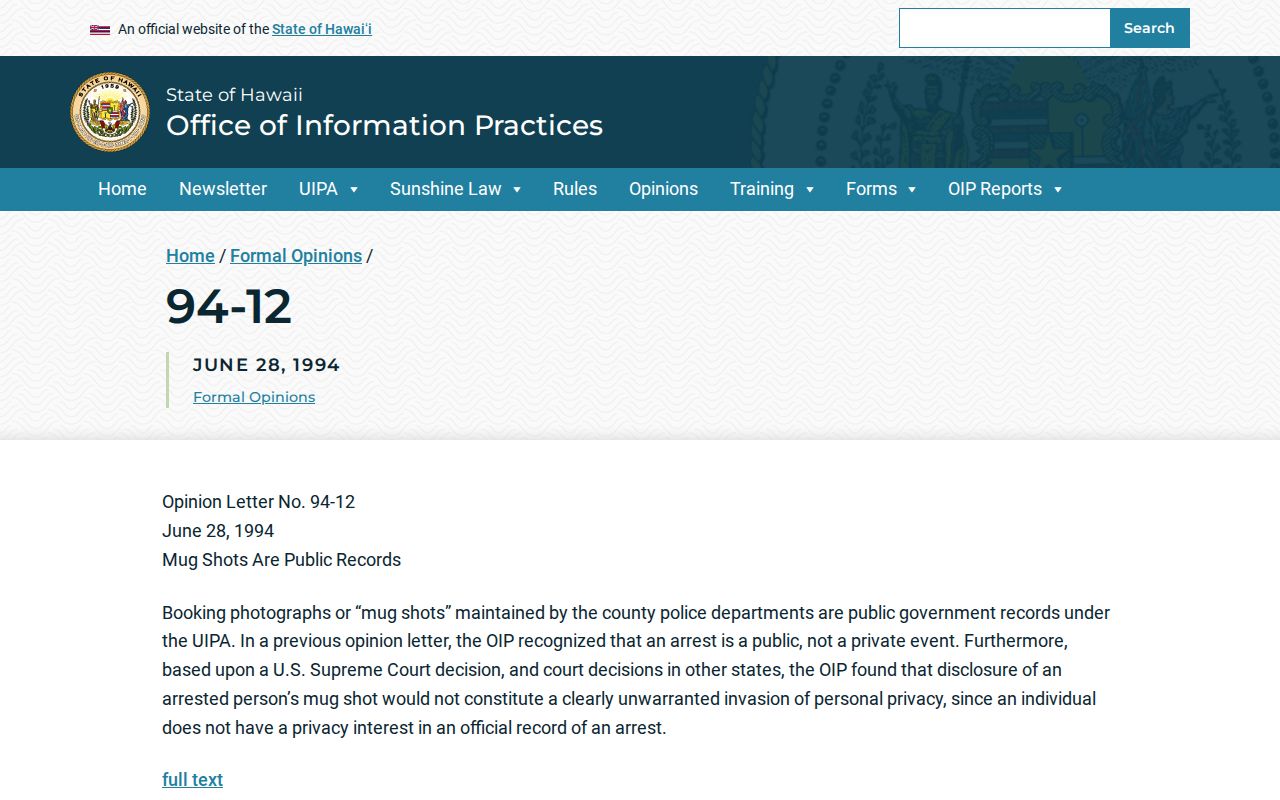
Hawaiʻi's Uniform Information Practices Act, known as UIPA, sits in Chapter 92F. It sets a general rule of agency access with listed exceptions. In Opinion 94-12, the Office of Information Practices treated county police booking photographs as government records. It found disclosure fitting on the facts before it. That opinion backs a focused request. It does not force any county to run an online photo roster. Nor does it guarantee release in every case.
An exception can justify withholding or redaction. Examples include protected privacy interests, harm to a legitimate government function, another law, or a court order. Active investigations, juvenile records, victims, witnesses, medical details, security data, and sealed material all call for special care. Opinion 03-09 adds that an expunged arrest photo stops being an ordinary public record. Juvenile records follow separate limits.
The Office of Information Practices mugshot opinion lays out the state analysis behind a request for a county booking photograph.
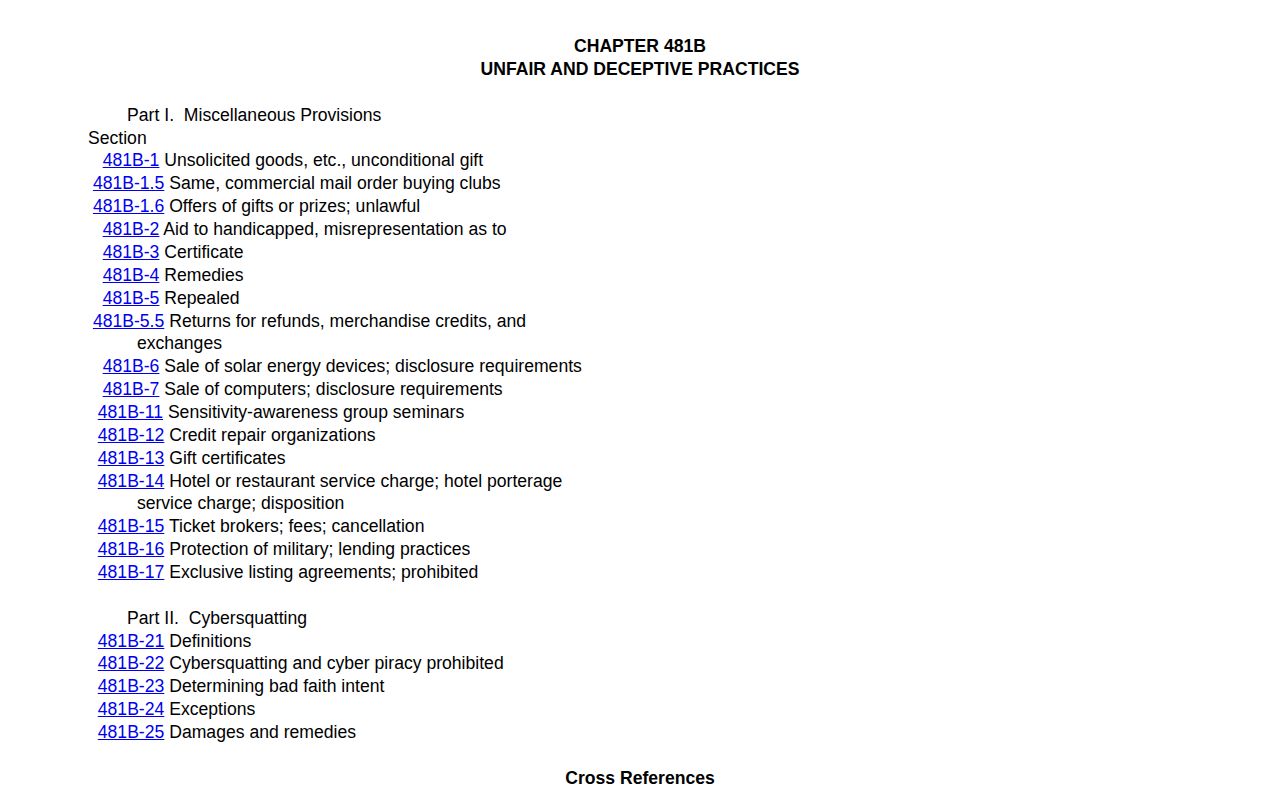
No enacted Hawaiʻi law generally bars commercial publication of booking photos. Nor does any make paid removal unlawful. The 2024 Legislature weighed SB 2631, which proposed limits and civil remedies. The bill died. Today's Chapter 481B carries no such mugshot section. The bill's language was a proposal, never a protection in force.
The current text of Chapter 481B is the source for checking the statute in force.
The state's real rule is narrower and more specific. An arrest photograph can count as a government record. Disclosure then turns on current UIPA exceptions, juvenile protections, criminal-history limits, an active case, any sealing or expungement order, and the agency's own review. The full statute and removal discussion sits on the Hawaii mugshot access law page.
Request Hawaii Booking Records
Send a UIPA request to the agency most likely to hold the exact record. The Office of Information Practices advises describing a particular record in writing. It also says to name how you want it delivered. No reason is required. Include the person's full name. Add the approximate arrest or booking date, the county, the arresting agency, and any report or booking number. Ask for the arrest record and the photograph separately. Request any non-exempt portion if part must be withheld.
- Identify the arresting police department from the county log, court entry, or official release.
- Ask that agency's records unit for the dated arrest or booking record and, separately, the booking photograph if it exists.
- State how the record should be sent. Include an event or report number when available, but do not delay a narrow request if it is not.
- For DCR-held custody or identification records, use DCR's public-records contact and identify the facility, offender or case number, date range, and record type.
- Review any response, fee estimate, redaction, or denial notice. The agency may seek clarification or cite a legal basis for withholding.
OIP sets a ten-business-day response clock. An agency answers by granting access, denying it, or acknowledging that more time is needed. Extensions stay capped at ten more business days. Fees for search, segregation, or copying may apply, and some agencies ask for prepayment. A fast reply is no photo guarantee. When writing to DCR, be specific. Ask for a booking photograph, an inmate identification photograph, a custody record, or a policy. DCR's public contact listing gives the Office of the Director at 1177 Alakea Street, Honolulu, and (808) 587-1288. The DCR page lists the records route. Every request still faces privacy, security, active-investigation, sealed-record, and other legal review.
Note: A county log can locate an event, but the agency that created the photograph decides whether it can be released.
Hawaii Expungement and Retention
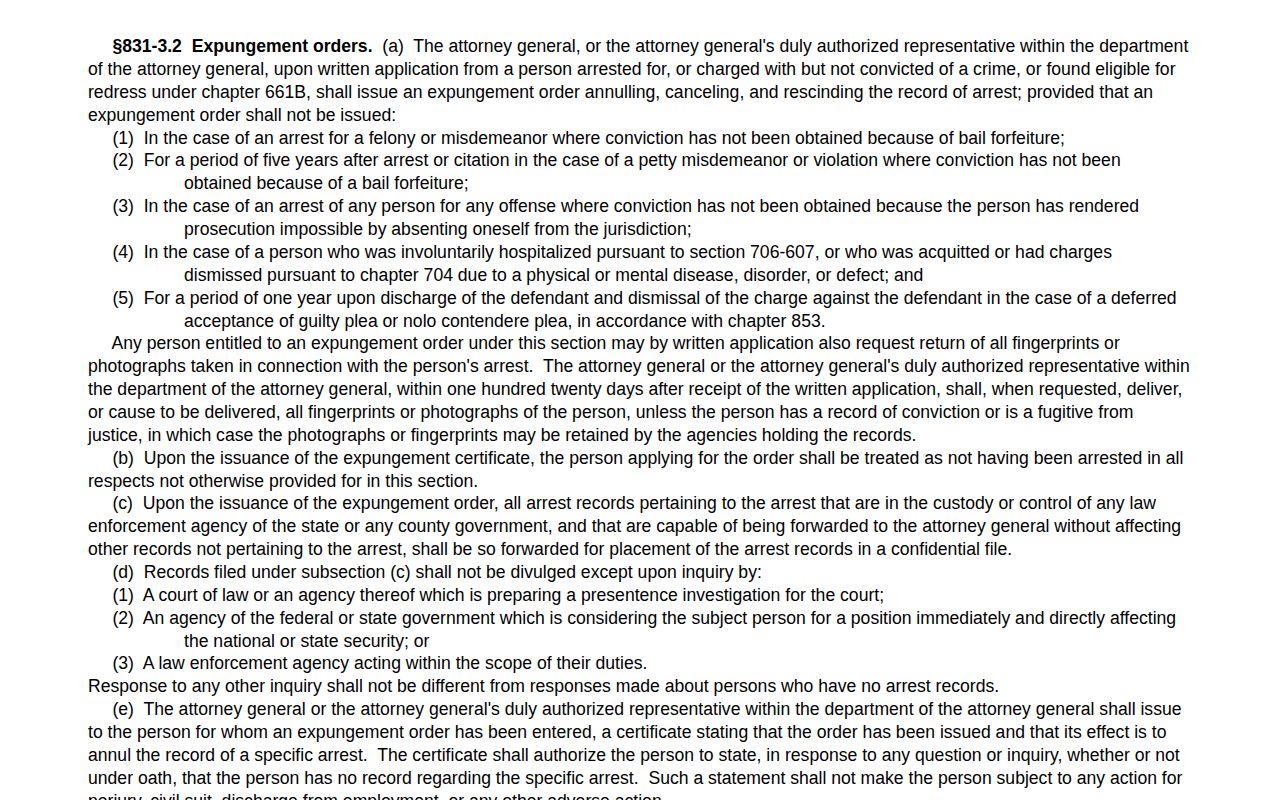
HRS §831-3.2 allows expungement of a qualifying arrest or charge that ended without conviction. The statute covers fingerprints too. Arrest photographs and fingerprint cards both fall inside it. Qualifying is the catch. The law carries exclusions and waiting periods, so a dismissal does not trigger an instant order. Some bail-forfeiture cases are excluded. Petty-misdemeanor and violation matters can require a waiting period. Fleeing the jurisdiction and blocking prosecution also counts against an applicant. Deferred-acceptance cases wait one year after discharge and dismissal. Once the conditions are met, the applicant may request return of photos and fingerprints. The Attorney General must deliver them within 120 days of the written application, unless a conviction or fugitive status lets the agency keep them. The order then moves covered law-enforcement records into a confidential file, and ordinary public access stops treating the expunged photo as open.
The text of HRS §831-3.2 spells out the application rules, exclusions, and how photos and fingerprints are handled.
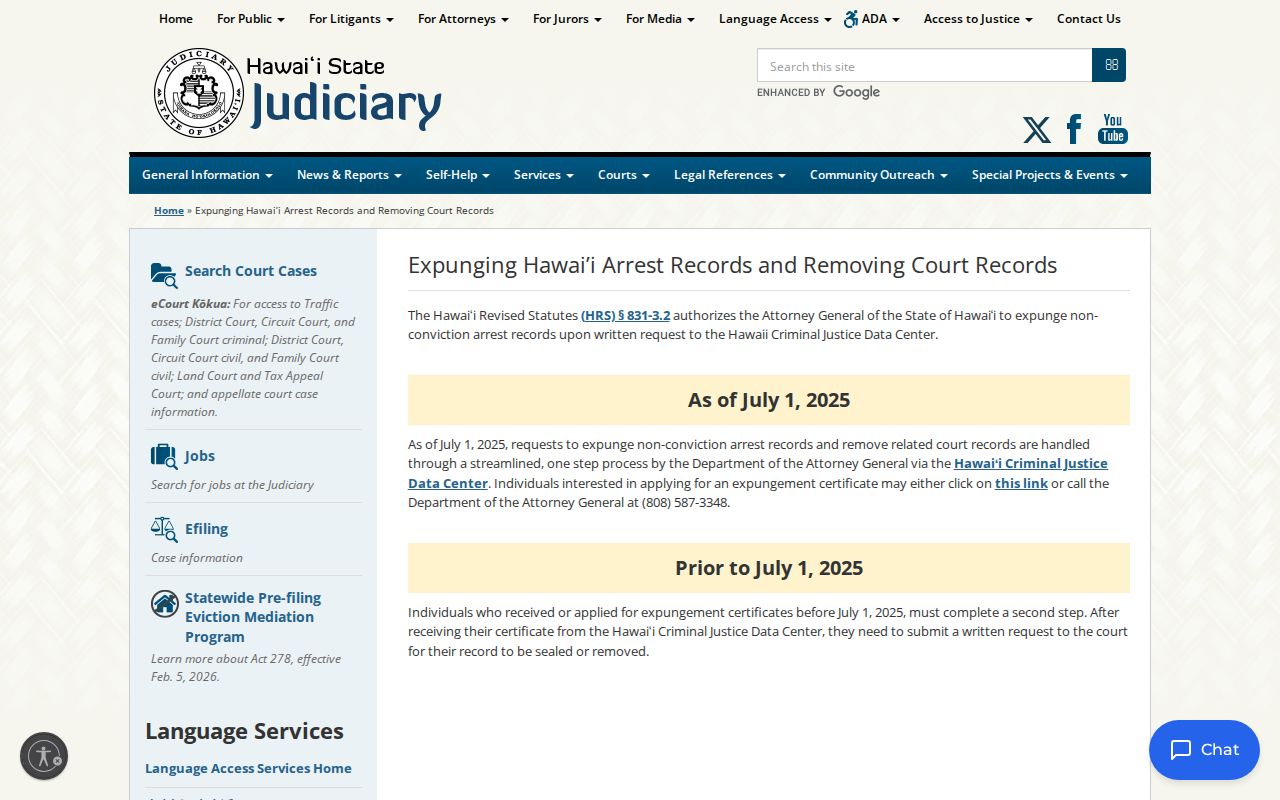
Since July 1, 2025, the Attorney General sends a qualifying expungement order to the Judiciary. The order travels with its case number for sealing or removal of related public electronic court material. The Judiciary acts in good faith. It does so within a reasonable time. Statutory exceptions still apply. Older applications or certificates may require the earlier separate court step.
The Judiciary's sealing page describes the current handoff from the expungement process.
Retention and web publication are separate. A missing PDF does not mean the record was destroyed or expunged. The OIP Records Report System lists agency record titles, custodians, storage, and retention information. It holds no individual arrest file. Ask the current custodian or consult the applicable agency schedule.
Find Hawaii Busted Mugshots
Start with the arresting county. Then match each source to the custody stage. Hawaiʻi's first public result is often a dated PDF rather than a picture. Read the date and release fields first. Someone released from a police cellblock may drop off the arrest feed while the underlying record stays available by request.
- Choose the county police agency that made the arrest. The five routes are linked in the County Directory.
- Open the official dated log if that county publishes one. Search the PDF or check the time range and read each matching line.
- Use the listed report number, arrest date, charge, and release or transfer code to identify the event. Do not infer a photo from a text-only log.
- Request the photograph from the arresting agency under UIPA when it is not posted. Honolulu has a separate photo policy and request process.
- If the person is in DCR custody or parole records, use SAVIN/VINELink for status and alerts. If the concern is a later case result, use eCourt Kōkua.
- For a federal inmate or immigration detainee, use the federal locator that matches that custody system.
A PDF that is missing, stale, or silent on what you need points to a formal record request. Ask questions when refused. If the agency will not release a photo, ask which exemption applies. Ask whether a redacted record works. Unofficial search sites can surface a useful date. They cannot prove current custody or any court outcome. For official links to each island's feed and records office, use the Hawaii County Directory, which routes to the county sites where local feeds and request routes differ.
Busted Mugshots by Hawaii County
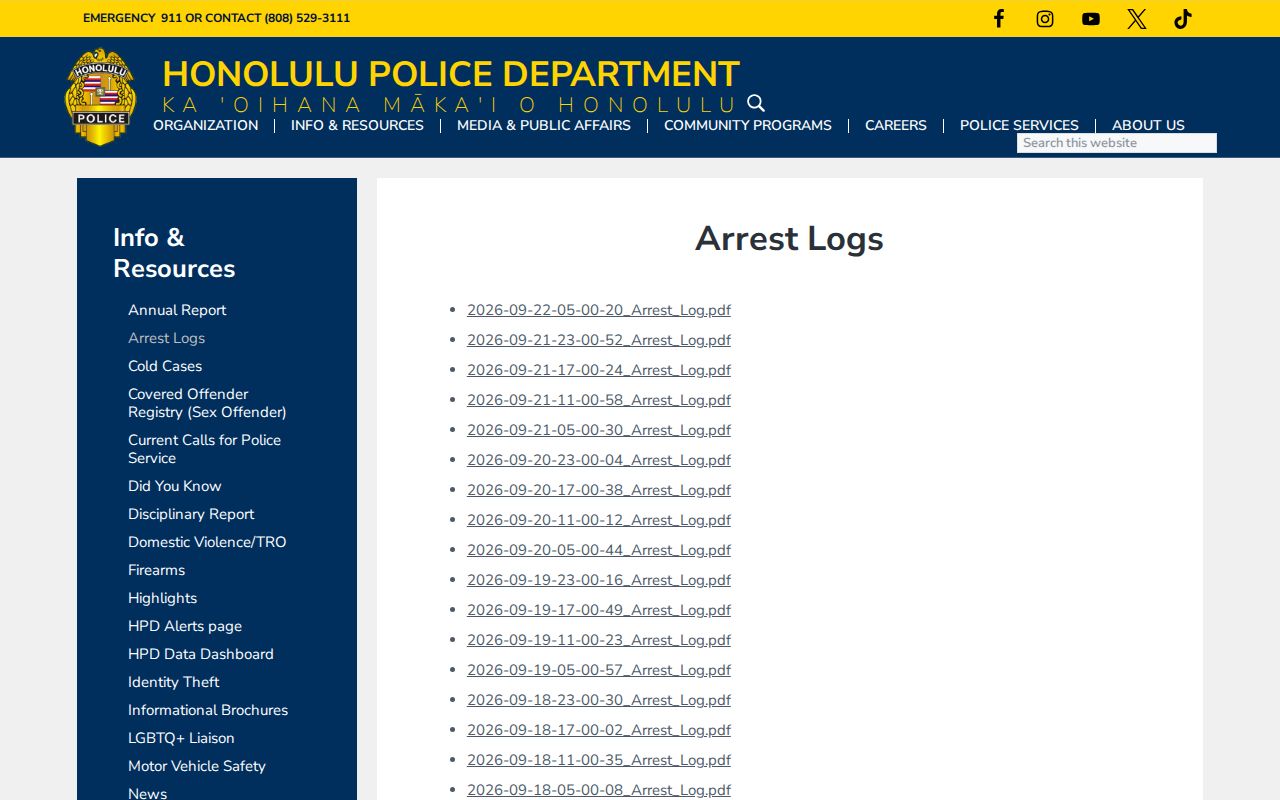
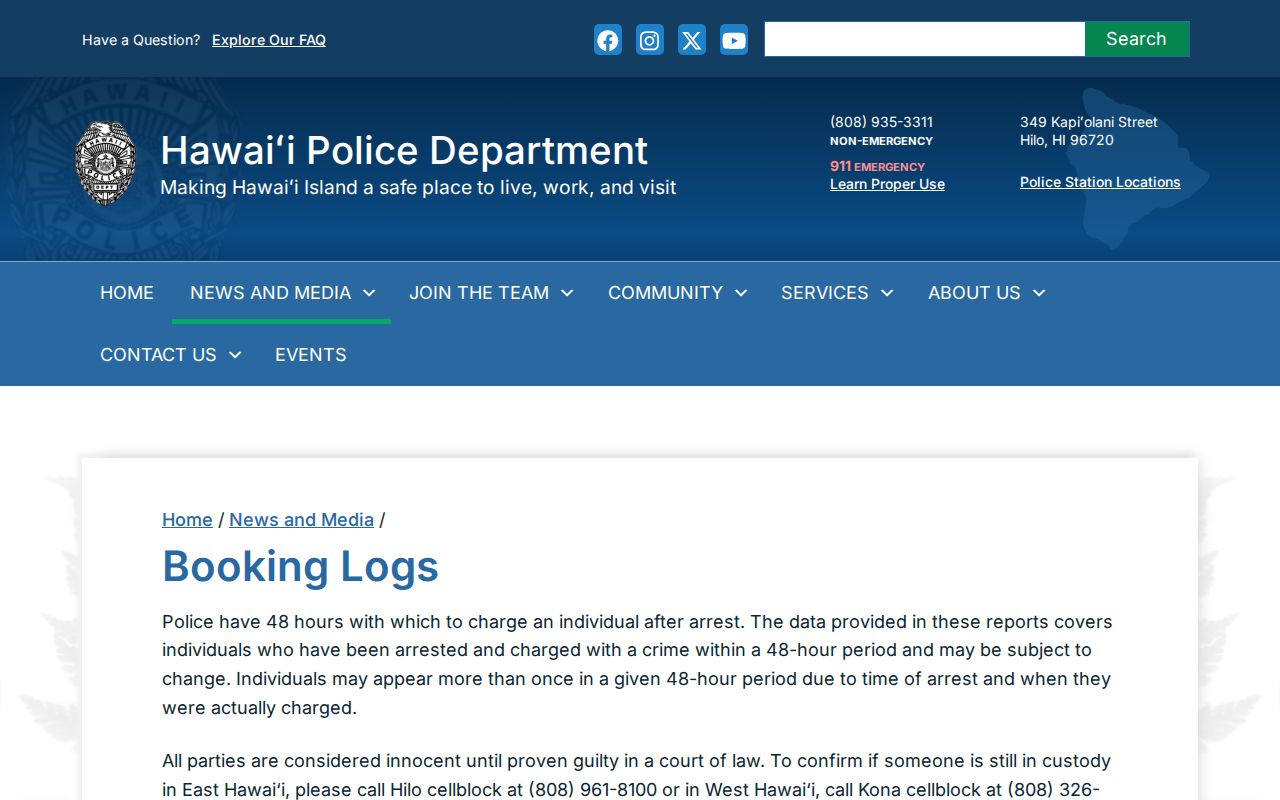
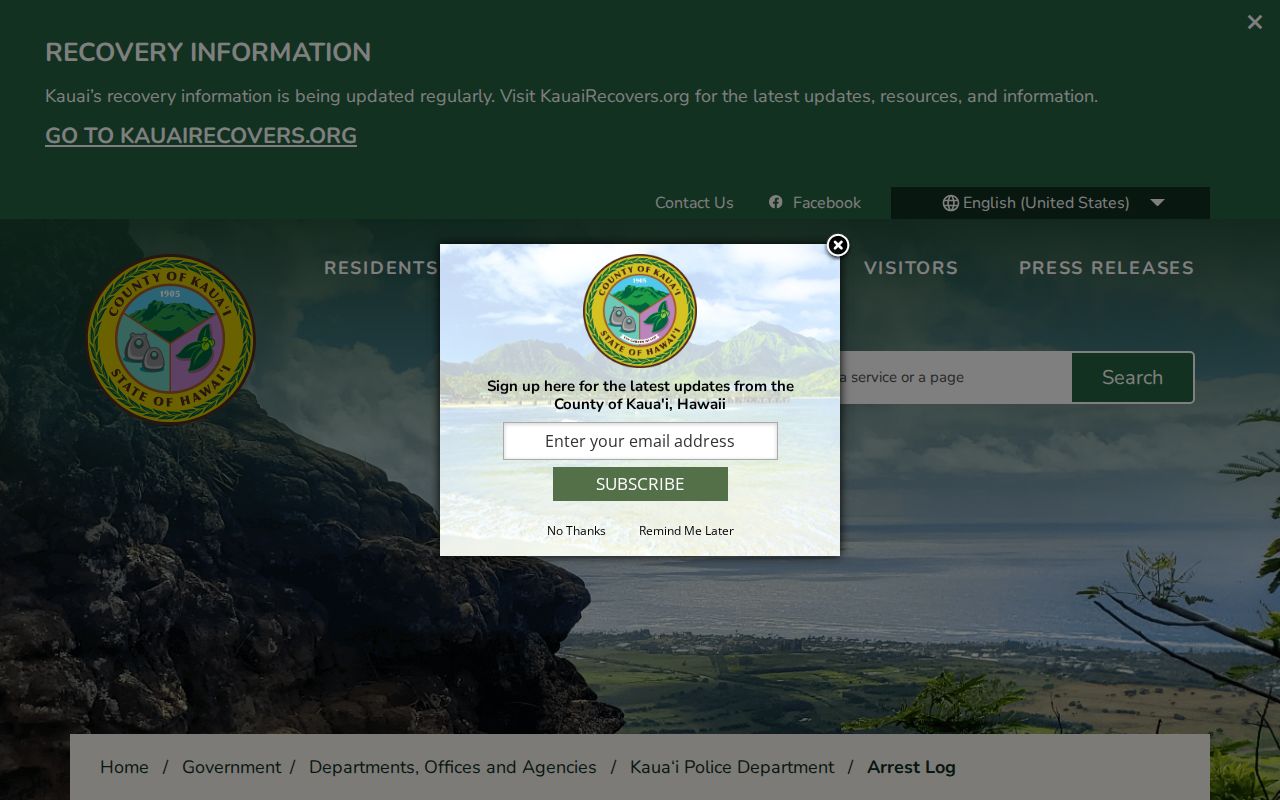
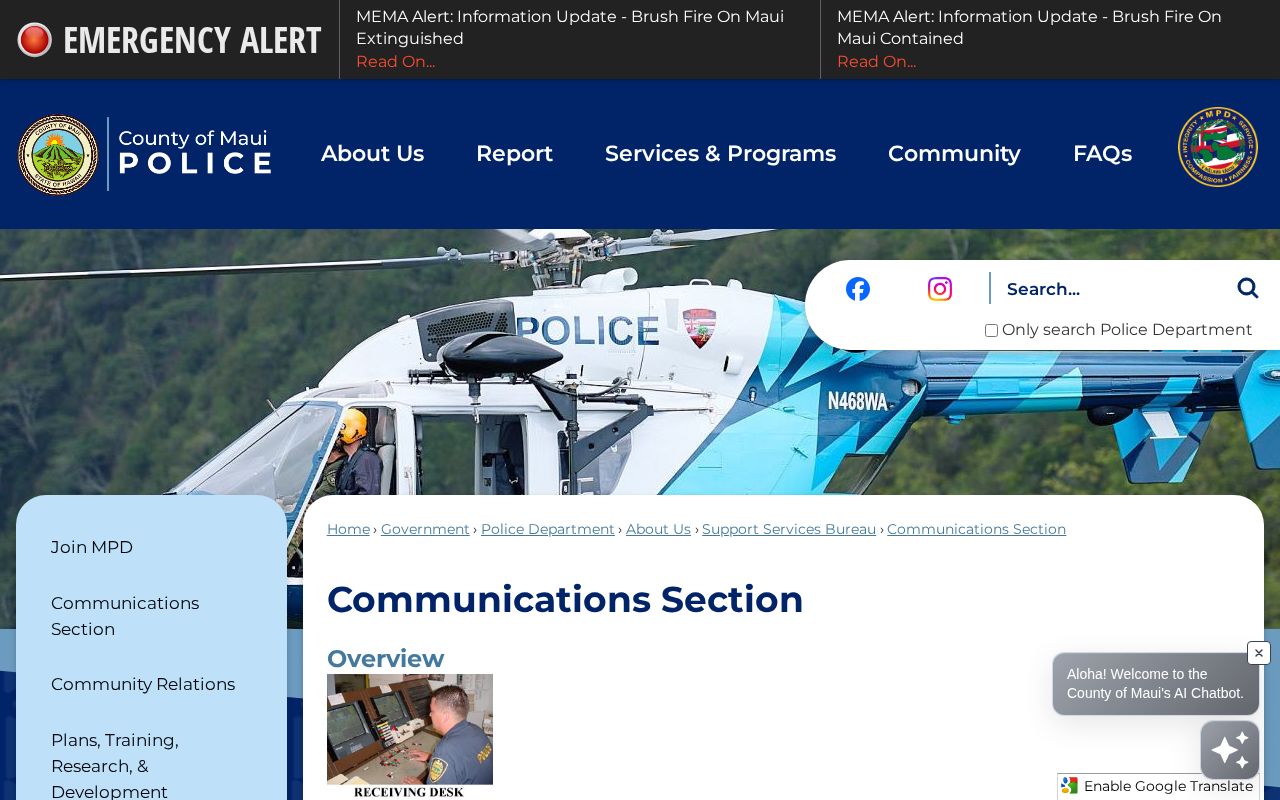
Honolulu publishes centralized police logs in six-hour batches. They rotate off the web after fourteen days. Hawaiʻi County's report covers an operational forty-eight-hour arrest-to-charge window. Kauaʻi posts a daily report for the prior date. A changing group of older PDFs appears alongside it. These windows describe public web pages, not retention rules. Maui's Communications/Receiving Desk serves as the central booking point. The county publishes no daily public roster. Kalawao has no county police booking feed of its own. Its route runs through Maui Police and state custody channels. A community or island name can help locate the agency. That does not guarantee a separate city arrest log.
The Honolulu Police Department arrest-log index shows its dated PDF route.
The Hawaiʻi County Police booking-log page links the countywide dated reports.
The Kauaʻi Police arrest-log index presents dated daily PDFs and a release-code key.
Hawaii Busted Photo Policy
There is no statewide police photo roster, and a text log does not show every photograph that an agency may hold. Honolulu has a separate policy for photo requests. Its public arrest log leaves out routine photos, and the policy applies a one-year, active-prosecution, conviction, and expungement review. Hawaiʻi County's forty-eight-hour PDF and Kauaʻi's sampled daily PDF have no routine photo field. Selected police releases may include an image in a particular case.
Maui's public pages point to Communications and Records rather than a searchable booking list. The county's public posture has shifted away from routine release of all mugshots; case-specific public-safety notices remain a different channel. Kalawao has no independent photo roster. Across the state, the absence of a thumbnail means only that the source page does not show one. A focused request is the way to ask the agency whether a responsive photo exists and can be released.
The Maui Police Communications page describes the central Receiving Desk and its booking role.
Geography shapes how Hawaiʻi publishes booking information. Honolulu runs one big consolidated police agency. Hawaiʻi County and Kauaʻi post countywide PDFs. A dated feed is easy to spot. Maui and Kalawao take a more direct route. That route runs through a records desk, DCR, or an event-specific notice. The pattern reflects publication habits, not any legal split between urban and rural arrests.
Note: The public PDF windows vary by agency and can change, so record the report date before relying on a result.
Hawaii Court Disposition Search
Once you have an arrest entry, the statewide Judiciary can help. It offers eCourt Kōkua and the JIMS route for public criminal case details and any later disposition. District and Circuit criminal cases are included, along with other case types. Search by the current case-number format or whatever fields the live system offers. Older migrated numbers may need a converted format. That format carries a circuit digit, case type, and leading zeros.
A docket can show a later charge, a hearing, a plea, a dismissal, an acquittal, or a sentence. A booking log generally cannot. A name match alone proves little about identity. A public case listing is not a mugshot. Some documents stay offline. Confidential or sealed records remain off limits. For copies, the Judiciary charges three dollars for one to thirty pages. Then it adds ten cents per additional page. Fees can change, so confirm before requesting.
The Judiciary's eCourt Kōkua/JIMS information page covers current search access, converted case IDs, and document limits.
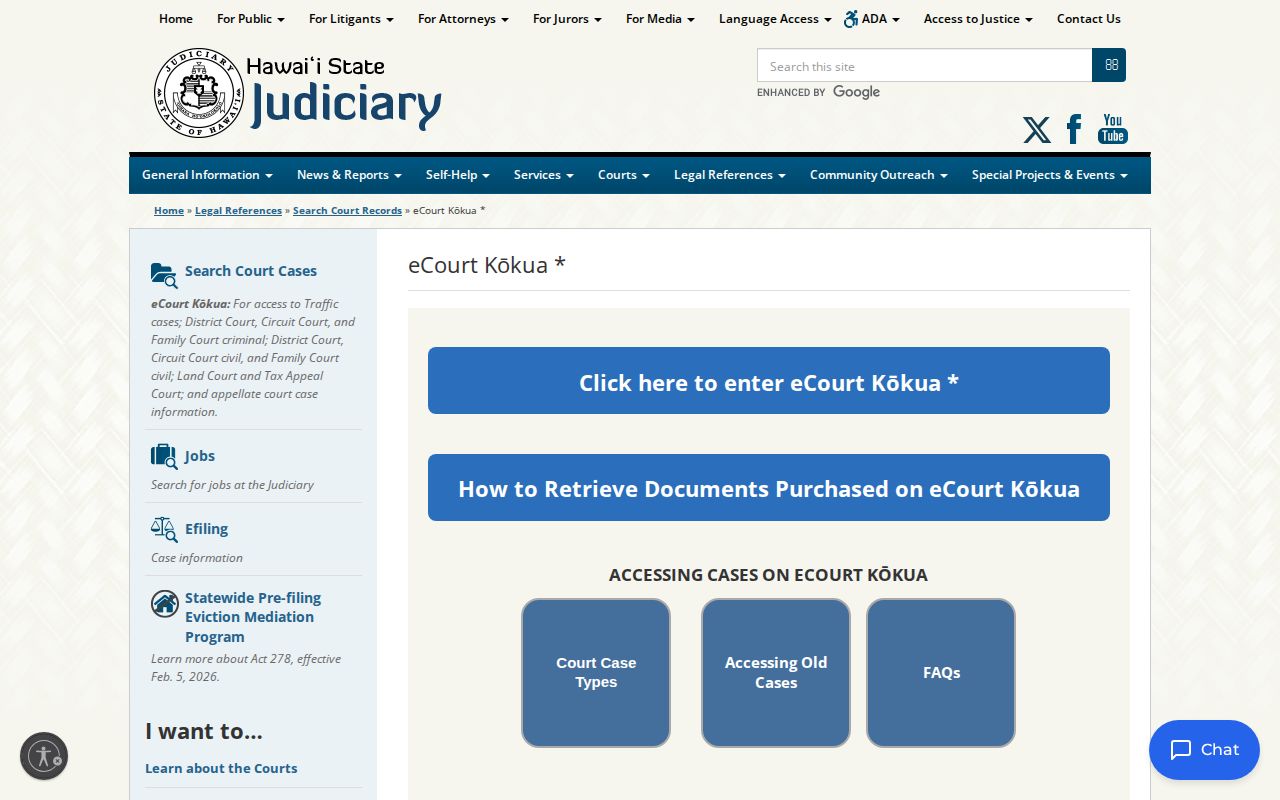
HCJDC's eCrim handles conviction information only. It is not a recent-arrest or nonconviction case search. When an event is too old or absent online, contact the appropriate court clerk. A missing PDF never means a charge was dropped or a record was erased.
DCR Custody and Hawaii Photos
Hawaiʻi DCR runs the state custody system. It holds people pretrial in its jails. It serves longer sentences in its prisons. The official Hawaiʻi SAVIN page links to VINELink. There you can search by name, offender number, or case number. You can also set up notifications by phone, text, email, or app. The service is free and billed as anonymous and confidential. DCR cautions it may not be complete or fully current.
SAVIN and VINELink report custody and parole events. They are not county arrest feeds, and no general public offender photograph appears. DCR's policy index lists COR.08.11, Inmate Identification Photographs. That is a policy listing rather than a photo search. Want a county booking image? Ask the arresting police agency. For a DCR-held record, use DCR's records contact.
The VINELink search and notification interface is the route linked from Hawaiʻi SAVIN.
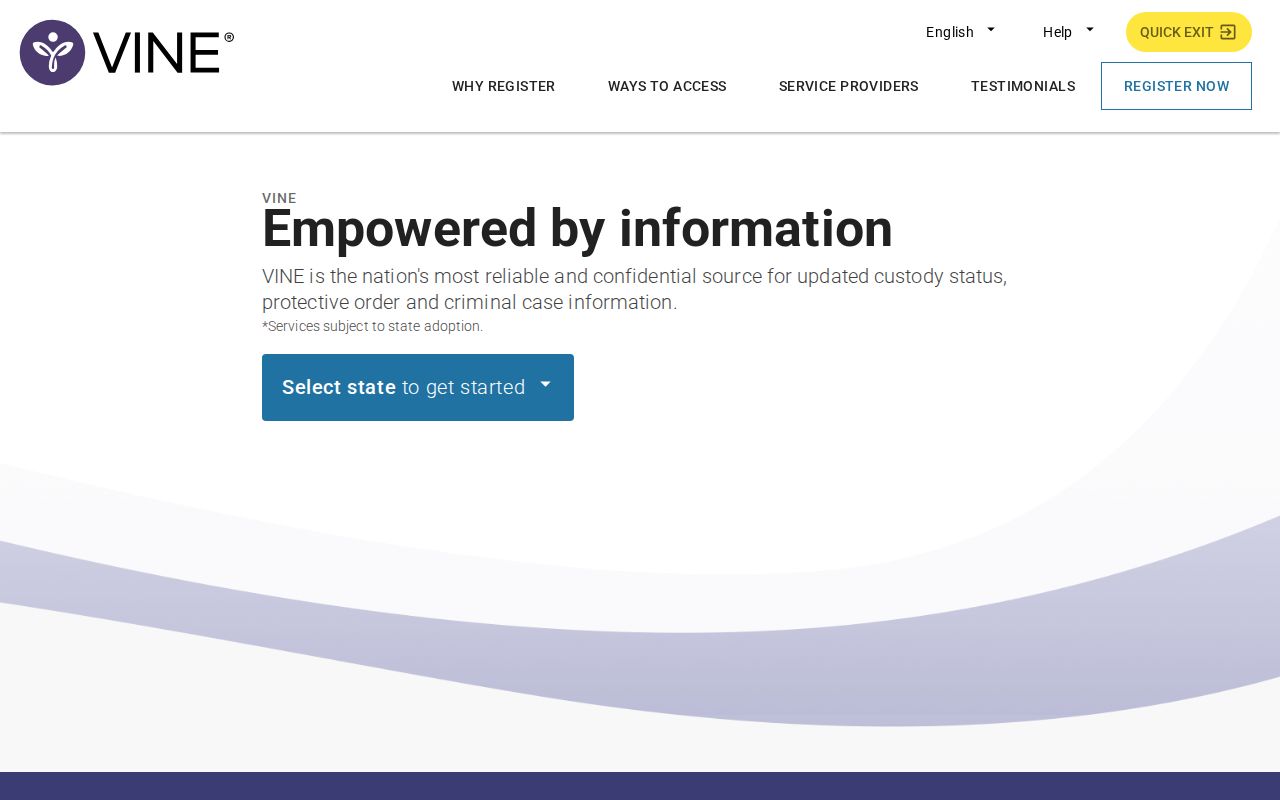
DCR offers no general public photo profile. Former offenders are not guaranteed to remain searchable that way. The Covered Offender Registry is something else entirely. It is a conviction-based registry for people covered by Chapter 846E. It is not a general inmate directory. Match the system to the custody question at hand. Never infer a current status from an old arrest result.
Hawaii Wanted Lists and Busted Arrests
No single public DLE most-wanted table serves the whole state. Wanted notices are spread across county police releases, Crime Stoppers pages, DCR escape notices, and the U.S. Marshals Service. Honolulu relies on HPD Wanted Persons/Na Maka and Honolulu CrimeStoppers. Hawaiʻi County, Maui, and Kauaʻi each run their own police releases. They also rely on their own local Crime Stoppers routes. Notices go stale. A listed person may already be arrested. Confirm current status with the agency.
The Judiciary's eBench system is not an open public warrant search. Approved law-enforcement and criminal-justice users can query traffic, criminal, and non-Family civil warrant categories. The system refreshes several times a day. A member of the public with a warrant question should contact the Judiciary, the appropriate police agency, or counsel. Never pay a caller who threatens arrest. That goes for phone and online payment demands alike.
The U.S. Marshals Service District of Hawaiʻi posts profiled fugitive notices and a safe tip route. Do not approach or try to detain anyone. Send any tip to the listed agency.
Hawaii Federal Custody Records
Turn to the federal system only when the question involves federal custody. The Bureau of Prisons locator covers federal inmates from 1982 onward. It searches by name or register number. It can show a location or release information, though it warns the release data may lag. No booking-photo field exists in the public locator.
ICE's Online Detainee Locator covers immigration detention. It searches by an A-number or biographical information. It does not include every person ever arrested in Hawaiʻi. An empty result does not prove a person was never detained. The U.S. Marshals Service says it generally does not release federal prisoners' personal information or photographs to the public.
A federal court docket or a Justice Department release can document a federal charge and its disposition. That still differs from a local booking record. Verify the case and current custody with the responsible federal agency or counsel. Never label a news photograph an official federal mugshot without confirmation from the source.
Hawaii Busted Mugshot Sites
Government sources lead the list. Every county police department keeps its own logs and records desk. No commercial site matches that coverage. Third-party publishers copy or summarize what agencies release. Their pages can hold stale names, duplicate listings, or a photo attached to the wrong person. Check the arrest with police. Confirm the outcome in court.
A Hawaiʻi page exists at RecentlyBooked, though it stops short of a full county-by-county roster. Its removal policy spells out a free correction path. That path covers wrong-person, juvenile, duplicate, sealed, expunged, or outdated entries. Mugshots.com offers a Hawaiʻi section too. It adds a free record-maintenance route but nothing dependable statewide. Busted Newspaper, for its part, lists no active Hawaiʻi roster. Arrests.org and Mugshots.zone publish no Hawaiʻi county section.
Publisher forms are voluntary and never replace the government record. Start with the arresting agency and the court for a correction or expungement. If an unofficial copy survives, follow that publisher's current written policy. Send only what it requests. Some sites push paid removals. Skip them. Paying a publisher buys no right to delete a lawful copy. An arrest alone creates none. Hawaiʻi never enacted SB 2631, the proposed commercial-mugshot rule.
Newsrooms round out the secondary sources. Hawaiʻi News Now, Honolulu Civil Beat, Star-Advertiser, KHON2, KITV4, Hawaiʻi Tribune-Herald, and West Hawaiʻi Today cover selected stories. So do Big Island Now, Big Island Video News, Maui Now, The Maui News, Kauaʻi Now, and The Garden Island. The selection runs local and statewide, crime and courts. None is a booking database. A report can point you to an agency or a docket. Headlines shift, though, and photos vary with editorial choices. When a story needs context, send a factual correction with the official disposition.
Hawaii Cases After Booking
Booking is just one stop on a longer record trail. Arrest and intake come first. Then comes a public log, where the agency posts one, followed by a court filing and hearing. Release or transfer follows, and a disposition closes the case. Some people walk free before any court case appears. Others move from a police cellblock to a DCR jail, another agency, federal custody, or immigration detention. No single site tracks every stage.
Does a recent arrest PDF show who is in jail now? No. It records an arrest event, not current custody. Some PDFs add later release information. For live status, use SAVIN for covered DCR custody events. Ask the holding agency directly; the court docket settles case outcomes.
Note: A release code describes a recorded process step; it is not the same thing as an acquittal or final court ruling.